OrganoidNL 2026 brings together Dutch organoid research community
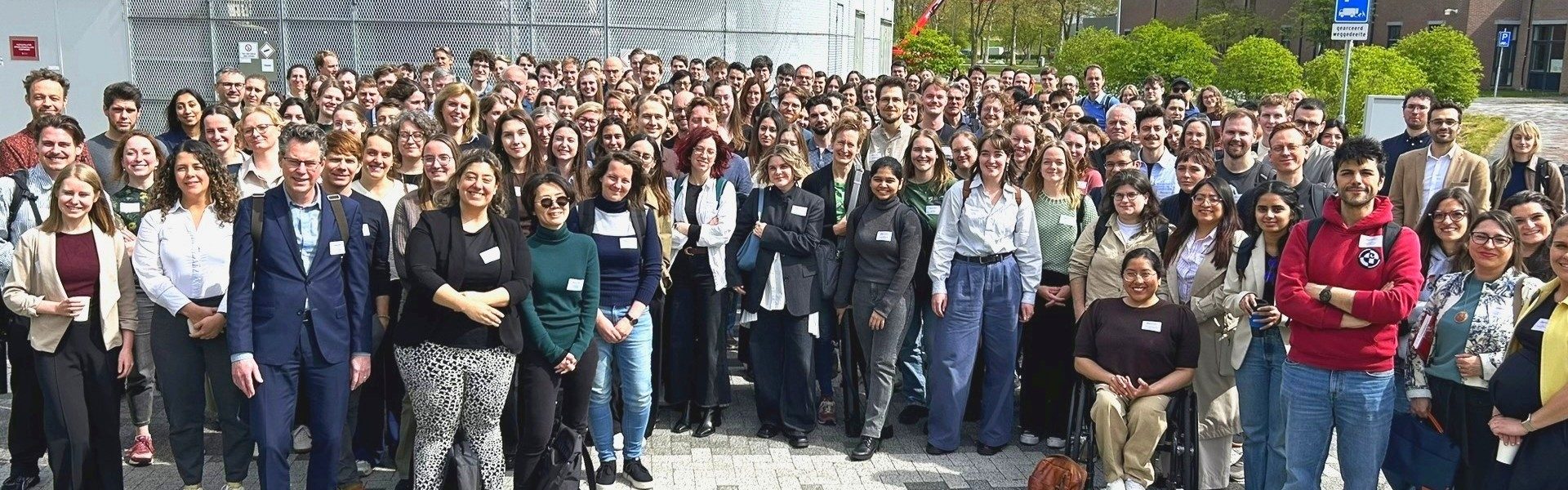
On April 17, around 250 researchers gathered at AMOLF in Amsterdam for the fourth edition of the annual OrganoidNL Symposium. Organoids, which are small, simplified models of organs grown from stem cells in the lab, are powerful tools to study, for example, how our bodies work and how diseases develop.
The event brought together scientists and students from across the Netherlands to share the latest advances in developing and applying organoid models – focusing on adult tissue organoids, while also covering embryonic stages such as blastuloids and gastruloids. The symposium aims to strengthen collaboration within the organoid community and to promote cutting-edge knowledge exchange in this rapidly growing field.
Speakers
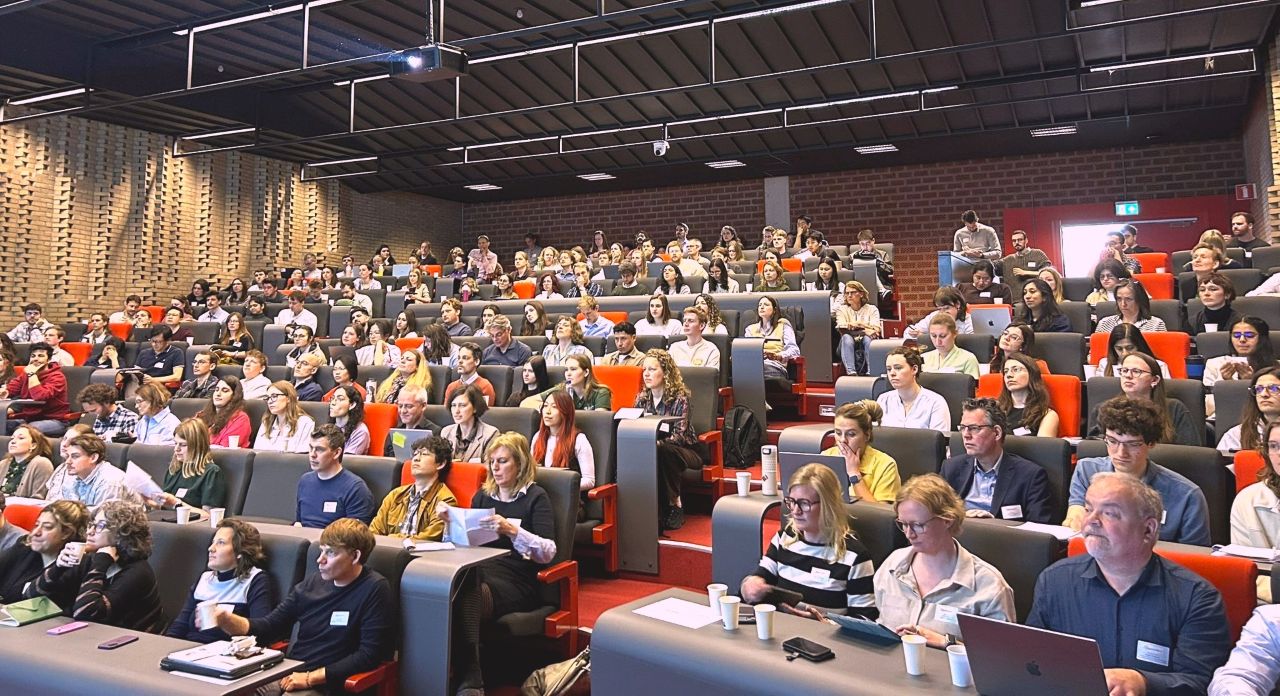
The program featured a series of keynote lectures by leading international researchers, including Jürgen Knoblich (IMBA Vienna), Emma Rawlins (University of Cambridge), Kim Jensen (University of Copenhagen), Gray Camp (IHB Basel), Jarno Drost (Princess Máxima Center), and Miki Ebisuya (TU Dresden). Their presentations, alongside contributed talks and poster sessions, highlighted cutting-edge developments and emerging directions in organoid biology.
Organoids enabling new research directions
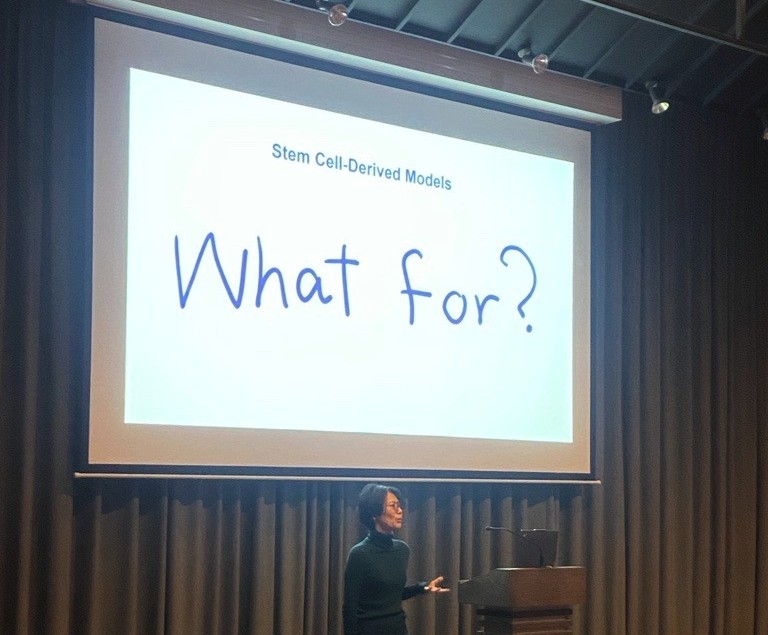
Her talk, and others, highlighted how organoids enable research that is otherwise extremely challenging, if not impossible. Organoid systems allow researchers to study the development of human tissues in unprecedented detail, observing how different cell types interact and respond to their environment. This includes, for example, investigating how oxygen levels influence lung development or how tissues interact with pathogens (germs that cause disease) and immune cells.
Tumor biology and patient variability
Another key focus was tumor biology and patient variability. By growing tumor organoids from patient samples, researchers can uncover differences between patients and even within different regions of the same tumor, opening up new possibilities for studying disease mechanisms and testing personalized therapeutic strategies.
Comparison between species
Comparative studies across species also featured prominently. Techniques developed for human organoids are increasingly being applied to other organisms, enabling researchers to pinpoint subtle differences in cell types and developmental timing that underlie variations in tissue structure and function.
A growing community driving organoid innovation
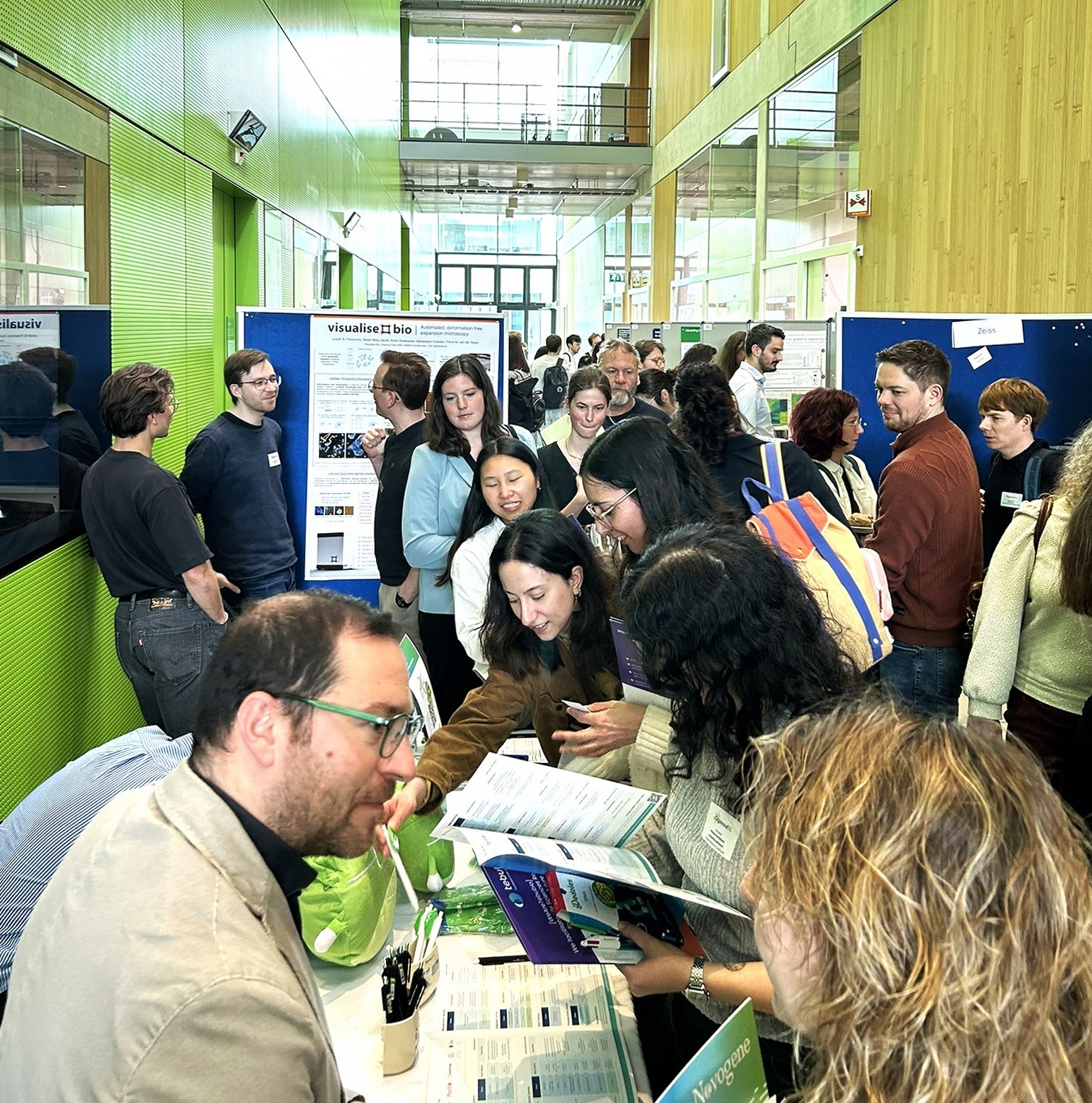
Building on the success of previous editions, OrganoidNL continues to strengthen the Netherlands’ position as a leading hub for organoid research.
Contact
If you have any questions or suggestions, please contact Sander Tans at s.tans@amolf.nl.
