Autonomous Matter Symposium Speakers
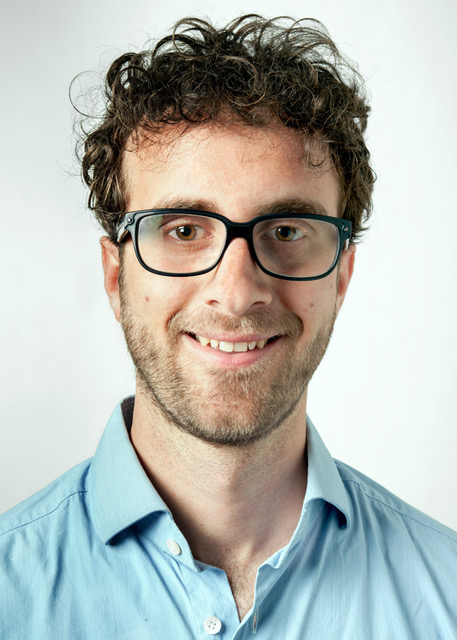
Benoit Ladoux, Max Planck Center for Physics and Medicine
Title: Role of mechanical stresses in the regulation of epithelial tissue homeostasis.
Benoît Ladoux is a physicist whose research lies at the interface of cell mechanics, mechanobiology, and tissue physics. He received his PhD from the Institut Curie working on single-molecule biophysics and polymer dynamics. After a short post-doc on cell mechanics, he established an interdisciplinary research program on cell mechanics and adhesion as an Assistant Professor at the Matière et Systèmes Complexes Laboratory in Paris in 2001.
In 2008, he participated to the creation of the Mechanobiology Institute (MBI) in Singapore with M. P. Sheetz. He was appointed Full Professor in the Department of Physics at Paris Diderot University in 2010. Between 2010 and 2013, he spent two years at MBI before returning to Paris to join the Institut Jacques Monod as a senior group leader, in close collaboration with cell biologist R. M. Mège. In 2015, he joined the CNRS as Research Director, while remaining a Principal Investigator at the Institut Jacques Monod. From 2013 to 2018, he divided his time between Paris and Singapore. In 2024, he was appointed Professor at FAU Erlangen–Nürnberg (Germany) within the Max Planck Center for Physics and Medicine.
His research seeks to uncover how cell–adhesion mechanisms are coupled to mechanotransduction, and how mechanosensing governs single-cell behavior, collective migration, and tissue homeostasis. More recently, his group has explored the role of active nematics in tissue organization, segregation, and cell extrusion.
Benoît Ladoux is a former member of the Institut Universitaire de France (2011–2015), recipient of the Pierre-Gilles de Gennes Award (2014), and was elected an EMBO Member in 2022. His internationally recognized work has been supported by three ERC grants, including an ERC Advanced Grant (2021) dedicated to cell extrusion.
He has published over 100 peer-reviewed research articles and 17 reviews, delivered more than 60 invited international lectures, and supervised or co-supervised approximately 40 PhD students and postdoctoral researchers. He has coordinated major international and national research programs (ERC, HFSP, ANR, Ligue contre le Cancer, USPC–NUS), led an interdisciplinary Master’s program in Physics and Biology for over a decade (until 2022), served as co-director of the LABEX Who Am I? until 2024, and is an active member of multiple scientific advisory and funding evaluation committees.
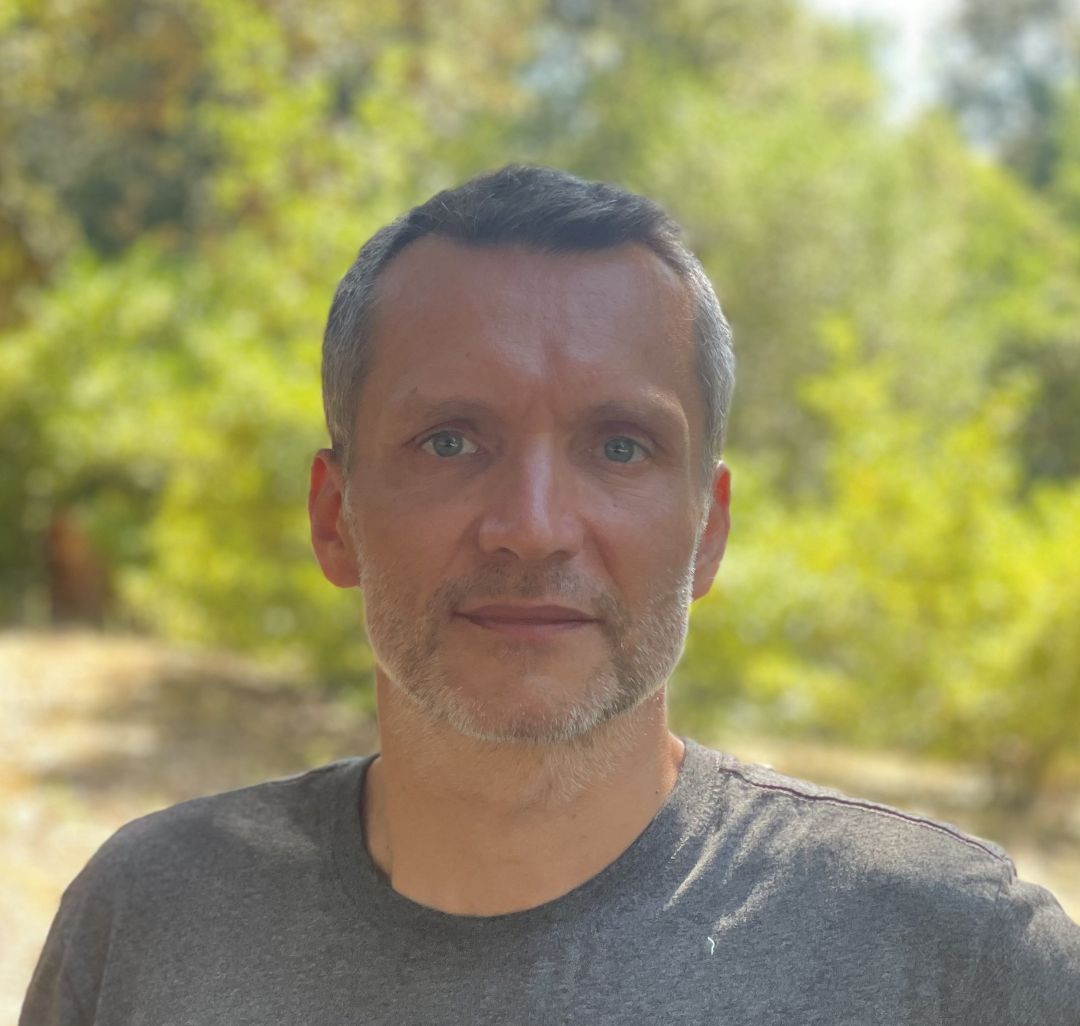
Danny Sahtoe, Hubrecht Institute
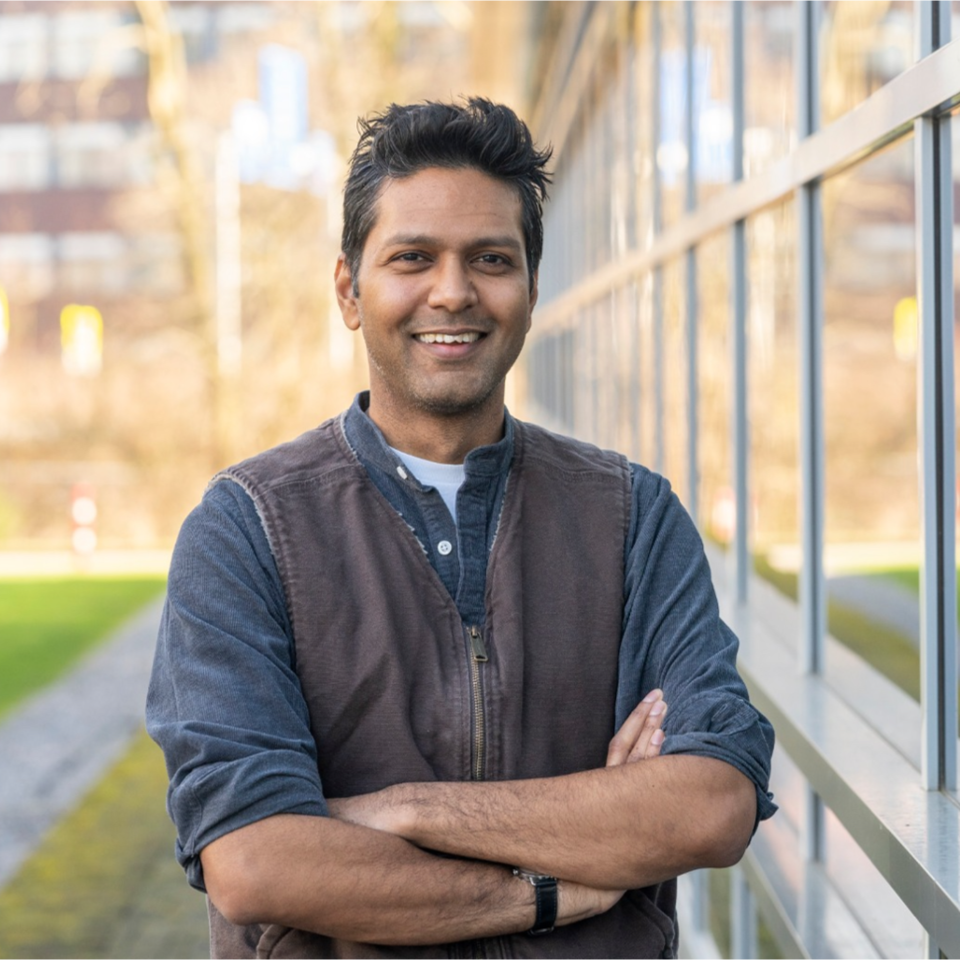
Danny Sahtoe joined the Hubrecht Institute as a group leader in 2023, after doing a PhD in structural biology in the lab of Titia Sixma at the NKI, and a postdoc in computational protein design in the lab of David Baker at the University of Washington. His group designs novel protein systems for biomedical and biotechnological use, and to elucidate the mechanistic basis of life in health and disease.
Elisabetta Chicca, Groningen University
Title: A neuromorphic processor with on-chip learning for beyond-CMOS device integration
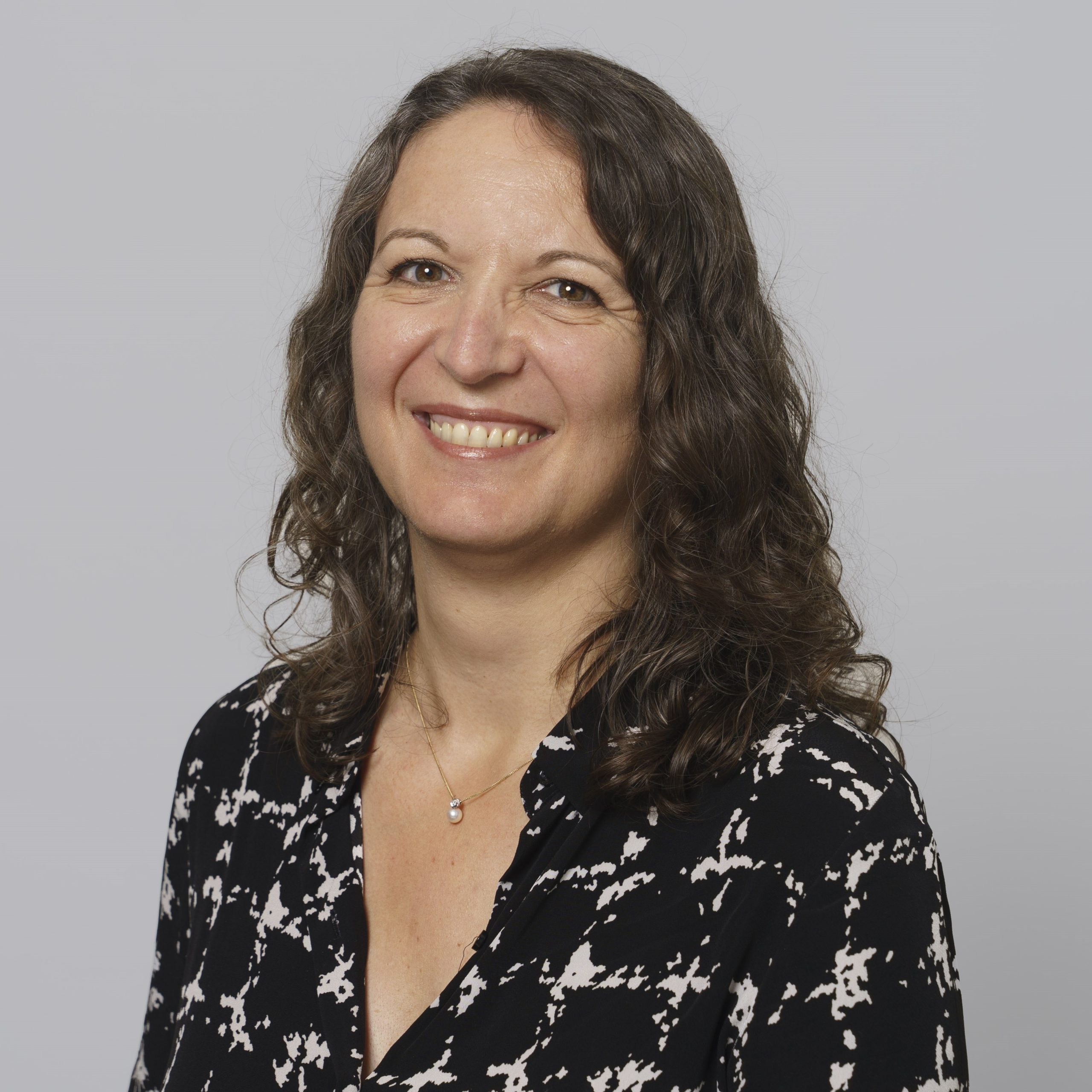
Jay T. Groves, UC Berkeley
Title: Active condensation in signal transduction
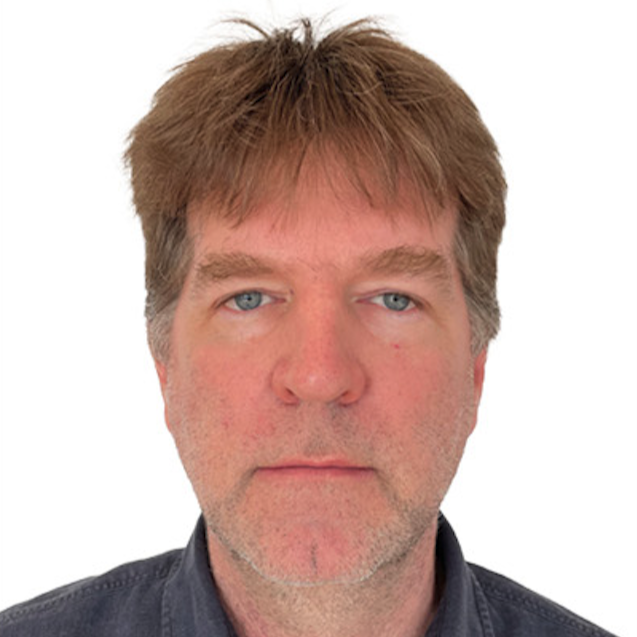
Prof. Groves is interested in the physical and mechanistic aspects of signal transduction and biomolecular information processing at the cell membrane. In recent years, his attention has been focused on competitive enzymatic reaction cycles, such as kinase-phosphatase controlling phosphorylation reactions and GEF-GAP competition controlling Ras activation. These reaction cycles continuously consume energy and represent interesting, far-from-equilibrium steady state behaviors, including pattern formation and oscillations. Prof. Groves did his undergraduate degree in Physics at Tufts University and received a Ph.D. in Biophysics from Stanford University. He has been a faculty member in the Department of Chemistry at UC Berkeley since 2001. From 2008 to 2025 he was an Investigator of the Howard Hughes Medical Institute and recently served as the Founding Director of IDMxS in Singapore from 2021 until 2023.
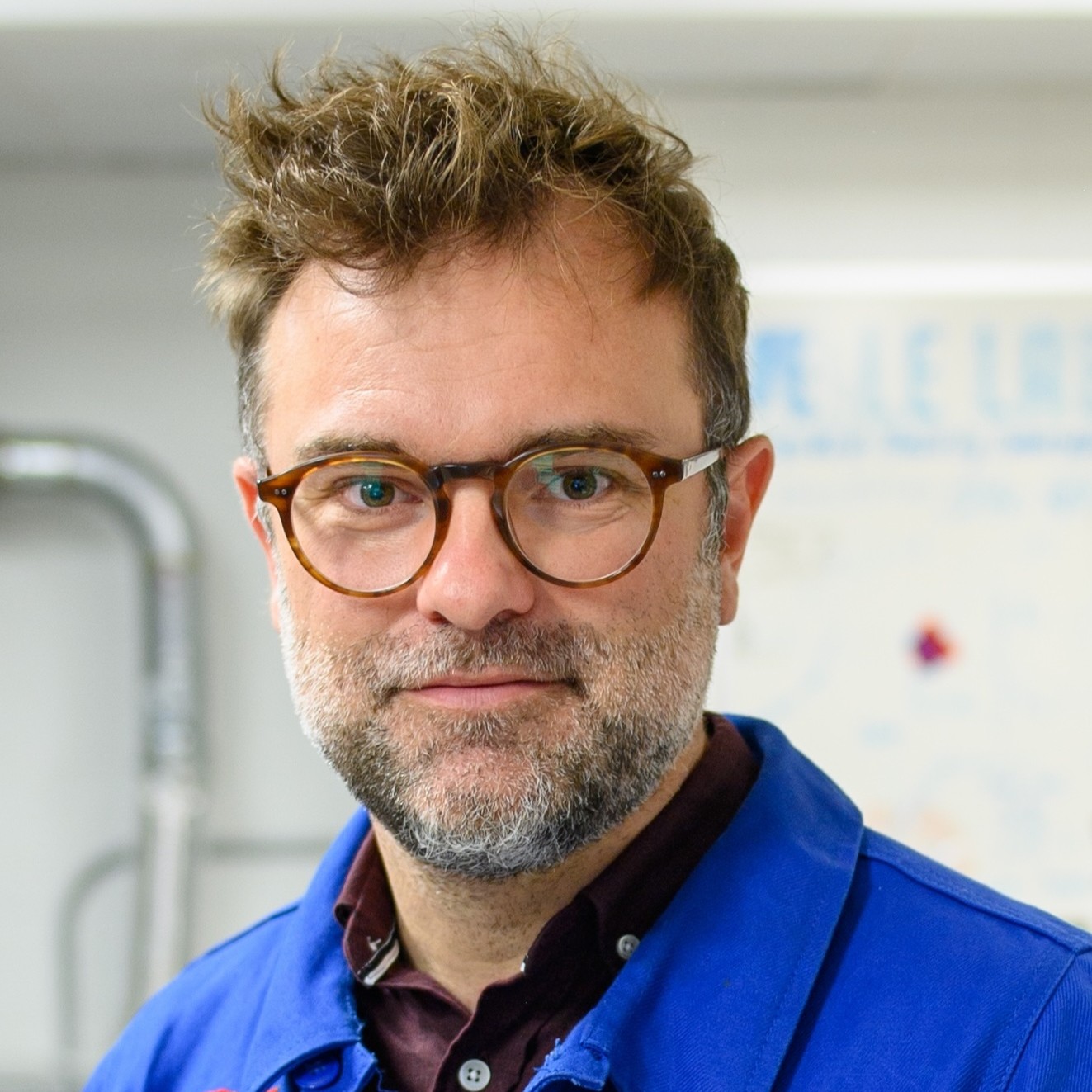
Pierre Thomas Brun, KU Leuven
Sijbren Otto, Groningen University
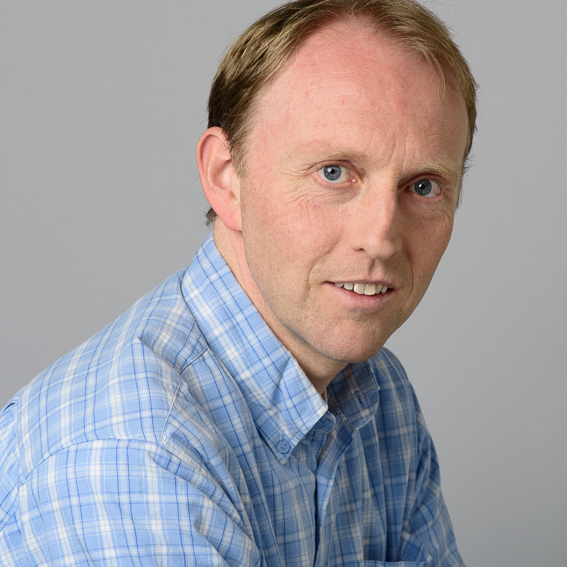
Sijbren received his PhD in 1998 from the University of Groningen in the Netherlands. Following postdocs with Steve Regen (Lehigh University, USA) and Jeremy Sanders (University of Cambridge) he started his independent research career in Cambridge in 2001. He moved to the University of Groningen in 2009, where he is currently Professor of Systems Chemistry. He was elected to the Royal Netherlands Academy of Arts and Sciences (KNAW) in 2020 and was awarded ERC starting, advanced and synergy grants. He chaired two COST actions on Systems Chemistry and is currently coordinator of a doctoral training network on Darwinian Chemistry.
Marco Tamborini, Università Pegaso
Title: Autonomy is not Controlled, it is Shaped! A Philosophy of Science Perspective